Attractions
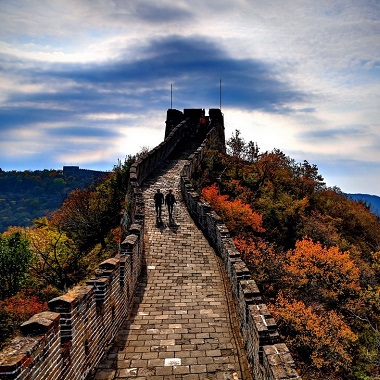 Mutianyu Great WallThe Mutianyu section of the Great Wall, located in Huairou District of Beijing, is one of the best-preserved and most representative segments of the Ming Dynasty Great Wall. Originally constructed during the Northern Qi Dynasty, it was later reinforced under the supervision of the renowned Ming general Qi Jiguang. Stretching approximately 5,400 meters, Mutianyu is celebrated for its dramatic steepness, scenic beauty, and unique features. It boasts densely spaced watchtowers and intricate construction, with some sections still retaining their original blue-brick and stone masonry. Nestled among lush, forested mountains, the area offers distinct seasonal scenery—particularly enchanting are the springtime blossoms and the autumnal red leaves blanketing the hillsides. Compared to Badaling, Mutianyu receives fewer tourists, offering a more tranquil and authentic atmosphere, making it an ideal destination to experience both the grandeur of the Great Wall and the splendor of nature.
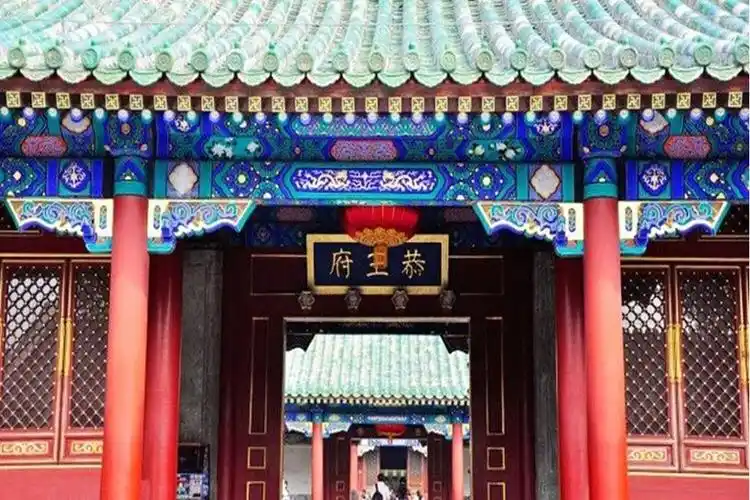 Prince Gong's Mansion Museum, Ministry of Culture and TourismPrince Gong’s Mansion, situated beside Shichahai Lake in Beijing, is a grand and well-preserved Qing dynasty princely residence complex. Originally the private residence of Heshen, a favored minister of Emperor Qianlong, it was later granted to Prince Qing Yonglin, and subsequently reassigned to Prince Gong Yixin during the early Tongzhi era—hence its name “Prince Gong’s Mansion.” The mansion blends imperial grandeur with refined garden aesthetics, organized into three symmetrical sections: central, eastern, and western, all arranged with meticulous order. Its rear garden, known as “Cuijin Garden,” features winding paths, dramatic rockeries, and scattered pavilions; it is especially renowned for the “Fu Character Stele,” said to bear the calligraphy of Emperor Kangxi himself, symbolizing auspicious fortune. Today, as the Prince Gong’s Mansion Museum under the direct administration of China’s Ministry of Culture and Tourism, it not only showcases Qing dynasty princely culture and historical artifacts but also regularly hosts intangible cultural heritage exhibitions and traditional art events, serving as a vital window into old Beijing’s charm and China’s rich cultural heritage.
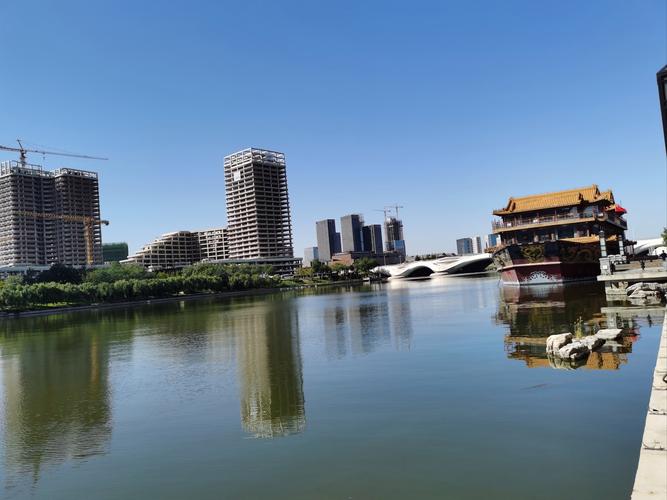 Beijing Canal Culture Tourism AreaThe Beijing (Tongzhou) Grand Canal Cultural Tourism Area, built around the northern terminus of the UNESCO World Heritage Site—the Beijing-Hangzhou Grand Canal—embodies over a millennium of canal transport history and the cultural essence of the capital region. Once a vital hub for transporting grain from southern China to the north during the Yuan, Ming, and Qing dynasties, this area is dotted with historical relics such as ancient wharves, the Ranteng Pagoda, and remnants of canal transport docks. Today, visitors can stroll along both banks of the canal, experiencing the grand vista where “one river connects past and present, and cultural heritage flows from north to south.” They may also enjoy an evening boat cruise, admiring the pagoda’s reflection shimmering under ambient lights, or explore the Grand Canal Forest Park to savor the unique blend of ecology and culture. As a cultural landmark of Beijing’s sub-center, Tongzhou’s Grand Canal is now revitalizing its millennia-old legacy with renewed vigor.
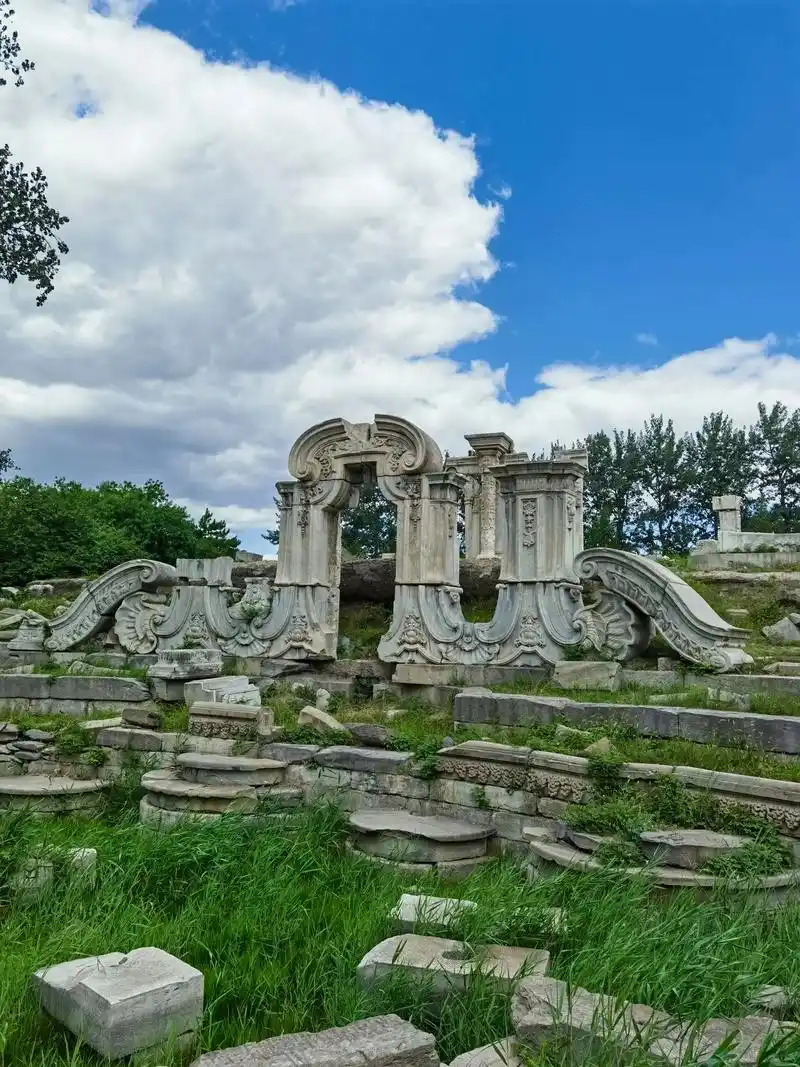 Old Summer PalaceThe Old Summer Palace (Yuanmingyuan) is located in the northwestern suburbs of Beijing. Originally constructed during the reign of Emperor Kangxi of the Qing Dynasty, it was an immense imperial garden renowned as the "Garden of Gardens." Comprising the Yuanmingyuan, Changchunyuan, and Qichunyuan gardens, it masterfully integrated traditional Chinese garden art with Western architectural elements, synthesizing landscapes, architecture, sculpture, and painting into a harmonious whole. It was famed worldwide for its exquisite layout, vast collections, and magnificent scenery. Within the garden stood pavilions, terraces, and towers reminiscent of Jiangnan-style waterside towns, alongside Western-style fountains and European palaces, showcasing a unique fusion of Eastern and Western aesthetics. However, during the Second Opium War in 1860, Anglo-French forces invaded and set fire to this magnificent garden, looting countless precious artifacts and leaving behind only crumbling ruins. Today, the site of the Old Summer Palace is designated as a National Key Cultural Relics Protection Unit, serving both as a poignant historical witness and a vital base for patriotic education. As visitors stroll through its grounds, they not only sense its former splendor but also gain a profound understanding of national memory and historical lessons.
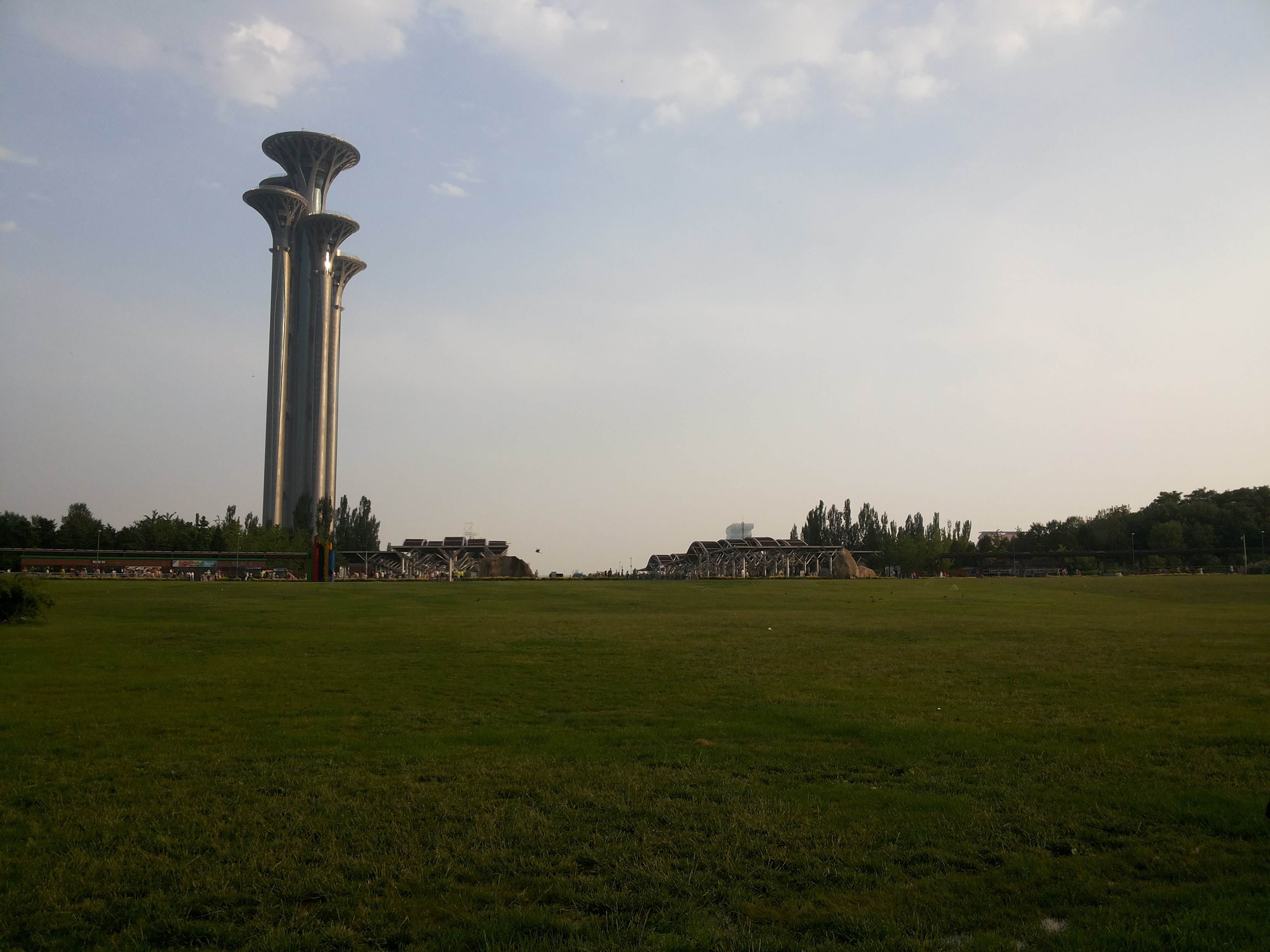 Olympic ParkOlympic Park, located in Beijing's Chaoyang District, served as the central hub for both the 2008 Beijing Summer Olympics and the 2022 Winter Olympics. Integrating sports, culture, leisure, and ecological functions, the park covers approximately 11.59 square kilometers and is organized along Beijing’s central axis. It features iconic venues such as the National Stadium (“Bird’s Nest”) and the National Aquatics Center (“Water Cube,” now transformed into the “Ice Cube”). Designed by Herzog & de Meuron, the Bird’s Nest is renowned for its distinctive lattice-like steel structure, symbolizing modern Beijing. The Water Cube, originally clad in ethylene tetrafluoroethylene (ETFE) membranes that create a dreamy blue glow, hosted swimming events in 2008 and was later adaptively converted to host curling competitions during the 2022 Winter Games—exemplifying the sustainable concept of “water-to-ice transformation.” The park also includes the Olympic Tower, a sunken plaza, a hockey field, and extensive green spaces with lakes, offering ever-changing seasonal scenery. In spring, vibrant flower fields bloom, while dazzling nighttime light shows draw countless visitors. As a model of dynamic Olympic legacy utilization, Olympic Park not only preserves memories of China’s sporting achievements but has also become a vibrant public space for fitness, performances, and tourism, continuously embodying the Olympic motto: “Faster, Higher, Stronger – Together.”
 Summer PalaceThe Summer Palace, located in the northwestern suburbs of Beijing, is China's largest and best-preserved imperial garden, hailed as a "Museum of Imperial Gardens." Originally known as the Garden of Clear Ripples (Qingyi Yuan), it was first constructed in 1750 during the reign of Emperor Qianlong. It was destroyed by Anglo-French forces in 1860 and later rebuilt under the patronage of Empress Dowager Cixi in 1888, when it was renamed the Summer Palace. Centered around Longevity Hill (Wanshou Shan) and Kunming Lake, the garden masterfully integrates natural landscapes with man-made structures, embodying the classical Chinese gardening principle: "Though crafted by human hands, it appears as if created by nature itself." Notable attractions within the garden include the Long Corridor—stretching 728 meters and adorned with over 14,000 colorful paintings—the Tower of Buddhist Incense (Foxiang Ge), the Seventeen-Arch Bridge, the Marble Boat (Shifang), and the Garden of Harmonious Pleasures (Xiequ Yuan), each reflecting profound historical, cultural, and aesthetic significance. Kunming Lake occupies three-quarters of the entire garden’s area and offers scenic boat rides, while the pavilions and halls scattered across Longevity Hill provide panoramic views of Beijing from elevated vantage points. As an outstanding example of classical Chinese garden design and a UNESCO World Heritage Site, the Summer Palace continues to captivate countless domestic and international visitors with its unique blend of elegance and grandeur.
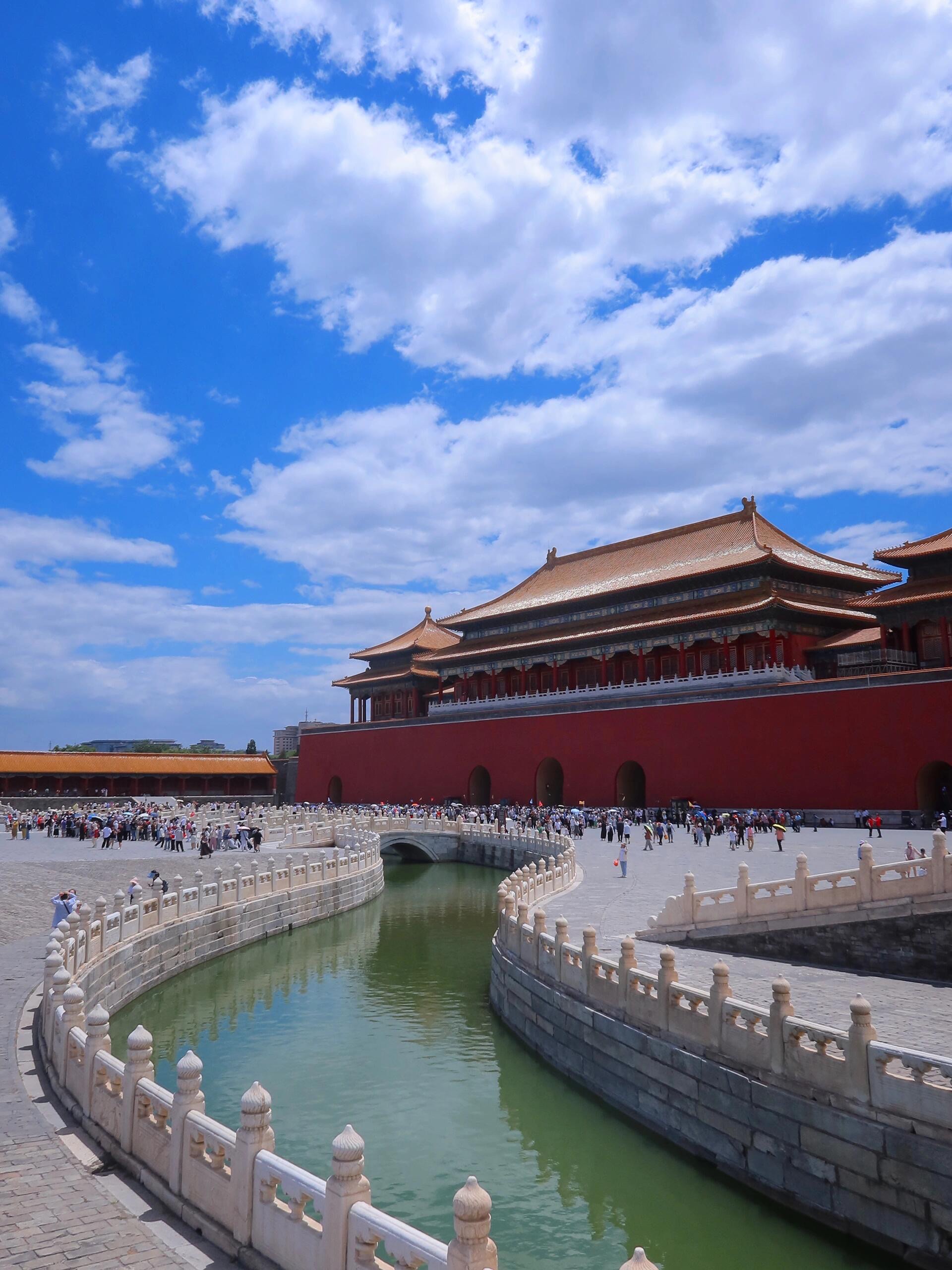 The Forbidden CityThe Forbidden City, located in the heart of Beijing, served as the imperial palace for 24 emperors during the Ming and Qing dynasties. Construction began in the fourth year of the Yongle reign of the Ming dynasty (1406) and took 14 years to complete, giving it a history of over 600 years. As the world's largest and best-preserved ancient wooden architectural complex, the Forbidden City covers an area of 720,000 square meters and comprises more than 9,000 rooms, symmetrically arranged along a central axis. It is divided into two main sections: the Outer Court and the Inner Court. The Outer Court, centered on the Hall of Supreme Harmony, the Hall of Central Harmony, and the Hall of Preserving Harmony, was where grand state ceremonies and important rituals were held. The Inner Court includes the Palace of Heavenly Purity, the Hall of Union, the Palace of Earthly Tranquility, and the Six Eastern and Six Western Palaces, serving as the living quarters for the emperor and his consorts. With its red walls, golden-tiled roofs, intricately carved beams, and painted rafters, the Forbidden City exemplifies the exquisite craftsmanship of traditional Chinese architecture and embodies the ritualistic culture of imperial supremacy. Today, as the Palace Museum, it is open to the public and houses a collection of over 1.8 million precious artifacts, standing as a vital symbol of Chinese civilization and a treasured World Heritage Site.
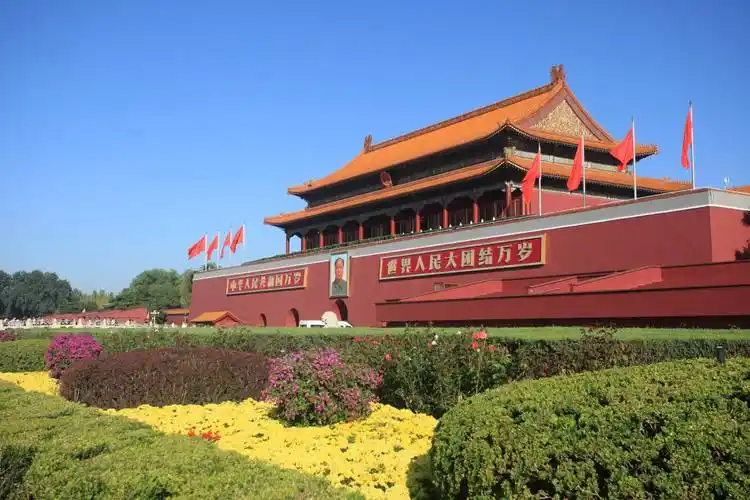 Tiananmen SquareTiananmen Square, located in the heart of Beijing, is one of the largest city squares in the world and serves as a symbolic landmark and political center of the People's Republic of China. At its northern end stands the majestic Tiananmen Gate, originally built during the Ming Dynasty as the main entrance to the Imperial City. On October 1, 1949, Chairman Mao Zedong proclaimed the founding of the People's Republic of China from atop this gate, transforming it into a pivotal site for major national celebrations and political events ever since. At the center of the square rises the Monument to the People's Heroes, inscribed with the heroic deeds of those who sacrificed their lives for national independence and the people's liberation in modern times. To the south lies the solemn Chairman Mao Memorial Hall, where Chairman Mao's remains rest. The National Museum of China stands on the east side, while the Great Hall of the People is on the west, together forming an architectural ensemble imbued with profound historical and political significance. Every morning, the flag-raising ceremony held at the square draws countless visitors who pause to pay their respects, experiencing the nation’s dignity and glory. As an iconic landmark of Beijing and a vital site for patriotic education, Tiananmen Square not only embodies China's rich historical memory but also bears witness to the country's dynamic progress in the new era.
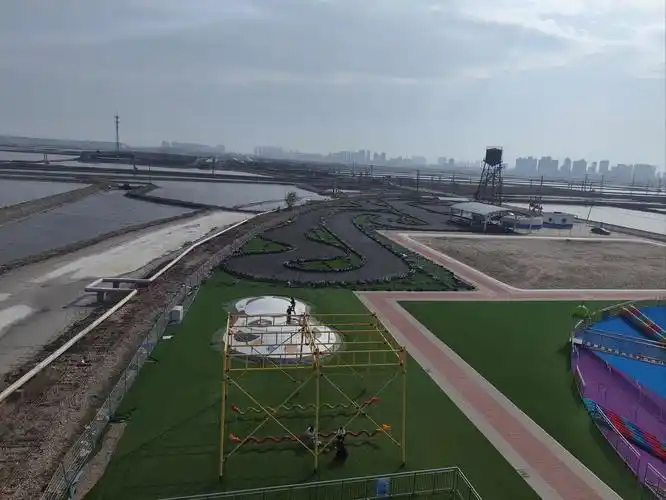 Green Jian Technology Industrial TourismA modern scenic area located in Beijing, integrating green building display, environmental protection technology experience, and industrial tourism. Visitors can learn about energy-saving materials, intelligent building systems, and sustainable design concepts, experiencing the perfect fusion of technology and ecology. It is suitable for family educational trips and visits by technology enthusiasts.
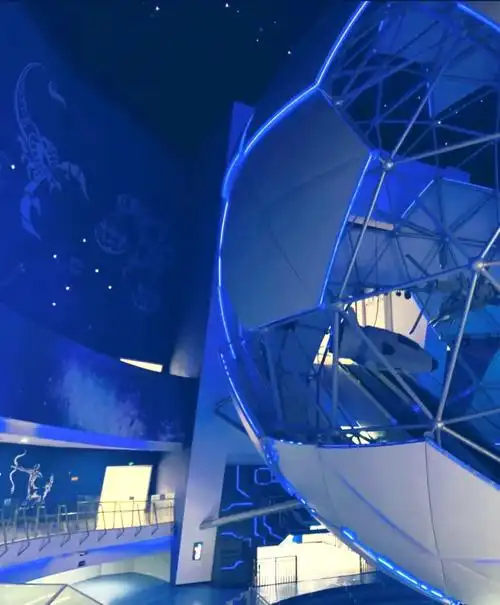 Dream Oriental·Future World TourismA themed interactive experience center located in Beijing, China, focusing on aerospace technology. The scenic area integrates space exploration, future technology, and immersive entertainment, allowing visitors to experience the mysteries of the universe and the charm of aerospace up close through high-tech exhibits, realistic simulations, and interactive experiences. Suitable for families with children and youth groups, it combines learning and fun, stimulating scientific interest.